Buyer's Guide
How to Choose the Right Memory Foam Pillow
Loft, firmness, foam type, and cooling all change how a pillow feels. Here is a practical framework for choosing the right memory foam pillow for each type of sleeper.

Start With Sleep Position
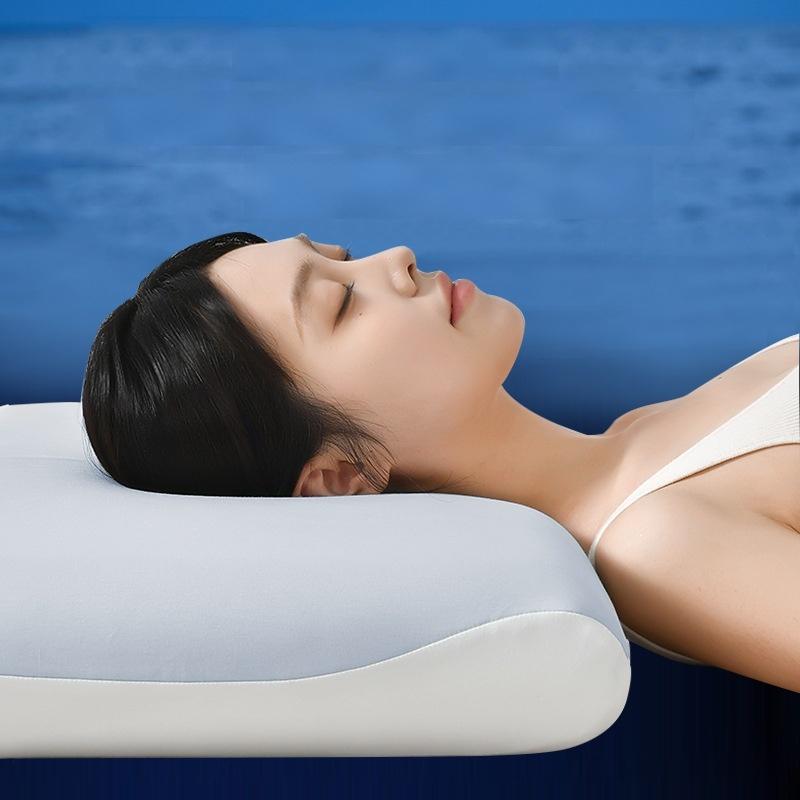
Sleep position is the single most important factor when choosing a pillow, because it determines how much space you need to fill between your neck and the mattress. Side sleepers have the widest gap and need a higher, firmer pillow to keep the spine neutral. Back sleepers need medium loft that supports the natural curve of the neck without pushing the head forward. Stomach sleepers need the lowest loft possible to avoid over-extending the neck.
For collections that serve a broad audience, offering multiple loft options within the same design is the easiest way to fit more sleepers without expanding your SKU count dramatically.
Match Loft and Firmness
Loft (height) and firmness work together. A tall pillow that is too soft will collapse under the head and lose its support, while a firm low pillow can leave a gap for side sleepers. Contoured cervical pillows solve this by building the support curve into the foam itself, so the loft stays consistent through the night.
Slow-rebound memory foam cradles the head and holds its shape, which suits users who want pressure relief and a 'hugging' feel. Higher-rebound or shredded fills feel more responsive and adjustable, which appeals to sleepers who move around.
Choose the Right Foam Type
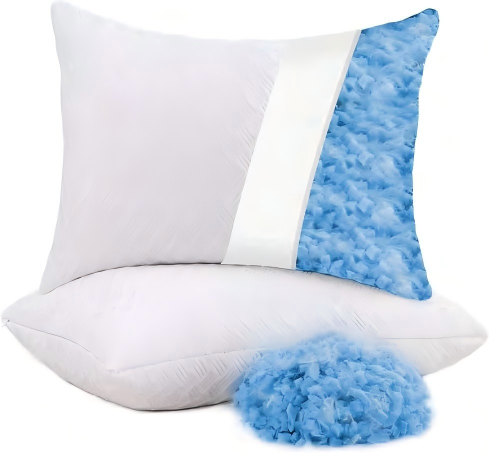
Solid molded memory foam gives a consistent, engineered shape and is ideal for ergonomic and cervical designs. Shredded memory foam lets users add or remove fill to adjust loft, which is popular for adjustable pillow lines. TPE grid and hybrid constructions add breathability and a springier feel for shoppers who find traditional memory foam too warm or too slow.
The foam formula also matters: slow rebound, high rebound, hydrophilic, and bio-based foams each change temperature, feel, and marketing story.
Decide How Much Cooling You Need
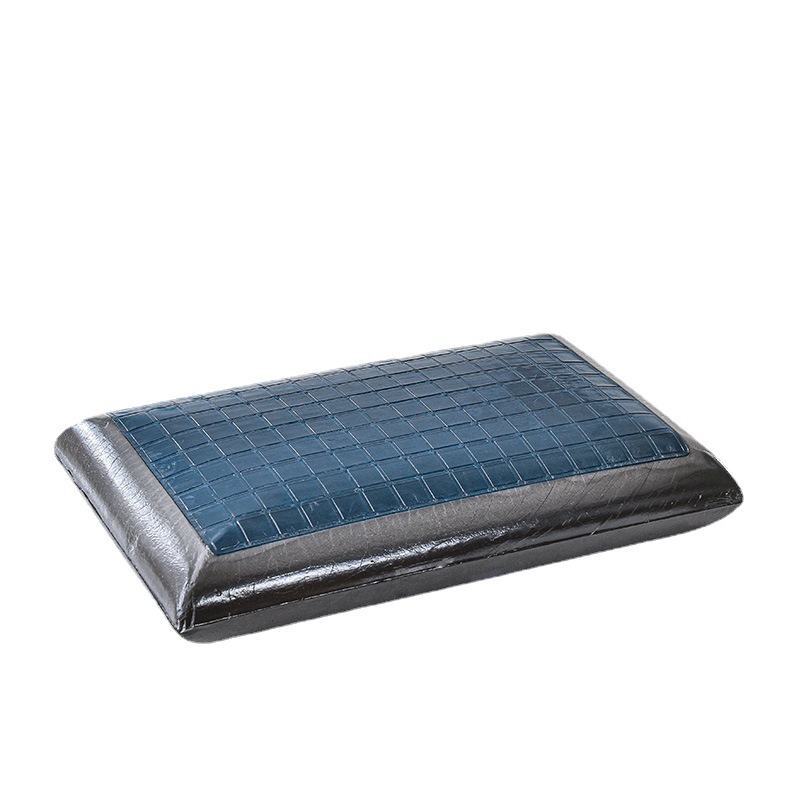
Traditional memory foam can trap heat. If your market skews warm or your customers are hot sleepers, cooling features are worth the added cost. Cooling gel layers, PCM (phase-change material) coatings, and breathable open-cell foams all reduce heat buildup, while ventilated or bread-shaped designs improve airflow.
Cooling is one of the strongest selling points in bedding retail today, so a cooling variant is a smart addition to almost any pillow range.
What This Means for Sourcing
When you brief a manufacturer, specify sleep position targets, loft range, firmness, foam formula, cover fabric, and cooling technology. A factory that produces the full range of foam types in-house can help you build a coherent collection and keep quality consistent across every SKU.
Related Products
Explore the memory foam products featured in this article.