Technology
Cooling Pillow Technology Explained
Cooling gel, PCM coatings, and open-cell foam all fight heat in different ways. Here is what each technology does and when to use it.

Why Pillows Get Hot
Traditional closed-cell memory foam is dense and traps body heat and moisture against the head. As the surface warms, the foam softens and can feel like it is 'sinking', which many sleepers describe as uncomfortable. Cooling technologies attack this in two ways: by moving heat away from the surface and by improving airflow through the pillow.
Cooling Gel
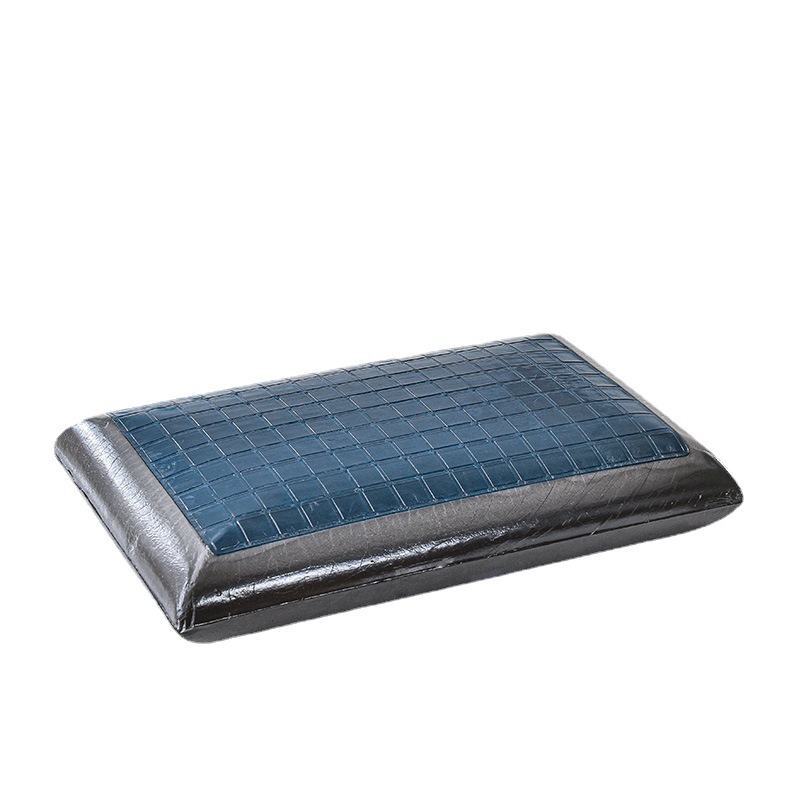
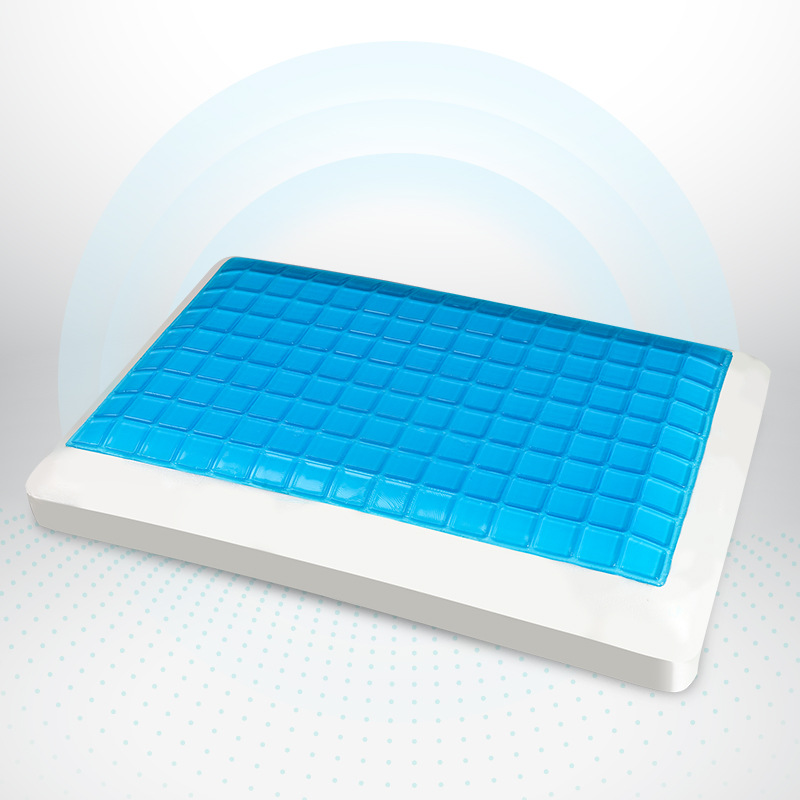
Cooling gel is infused into or layered onto the foam. It has a higher thermal mass than foam, so it absorbs heat from the skin and feels cool to the touch. Gel is affordable, reliable, and gives that instant 'cool side of the pillow' sensation shoppers recognize immediately.
PCM Phase-Change Coatings
Phase-change materials absorb heat as they change from solid to liquid at skin temperature, then release it later. A PCM-coated cover actively regulates surface temperature rather than just feeling cold at first touch, which keeps the pillow in a comfortable range for longer. It is a premium feature that pairs well with contour and B-shaped designs.
Open-Cell & Ventilated Foam
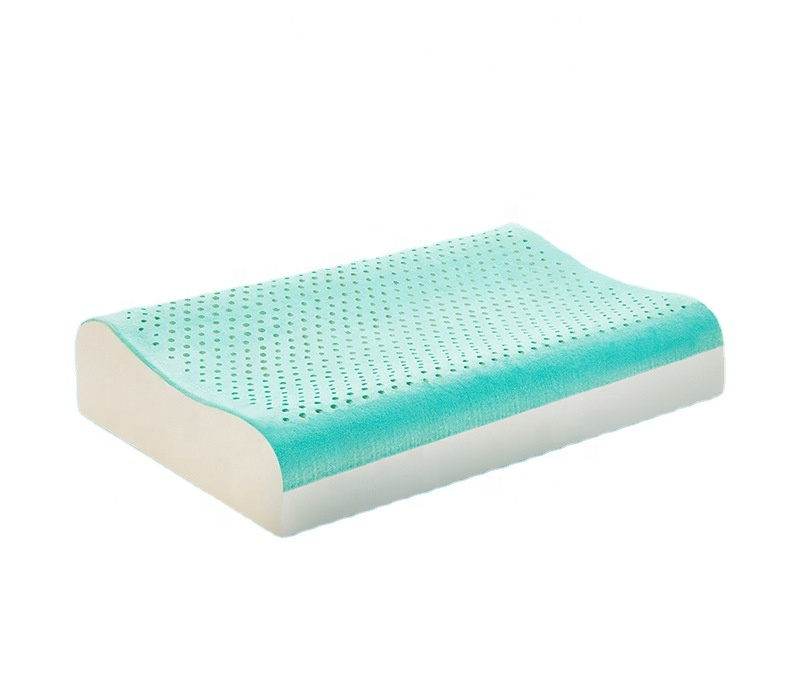
Open-cell foam formulas and ventilation channels let air move through the pillow so heat and moisture escape. Shaped designs, such as bread and B shapes, increase surface area and airflow. Combining an open-cell core with a gel or PCM surface gives the strongest overall cooling.
Choosing a Cooling Approach
For value ranges, cooling gel delivers the most recognizable benefit per dollar. For premium ranges, PCM coatings and open-cell foam justify a higher price and a stronger cooling story. A factory that offers all three lets you build a good-better-best cooling lineup.
Related Products
Explore the memory foam products featured in this article.